Mock exams should answer one question: saan ka pinaka-nawawalan ng points, and what should you review next?
Take the mock exam under realistic conditions
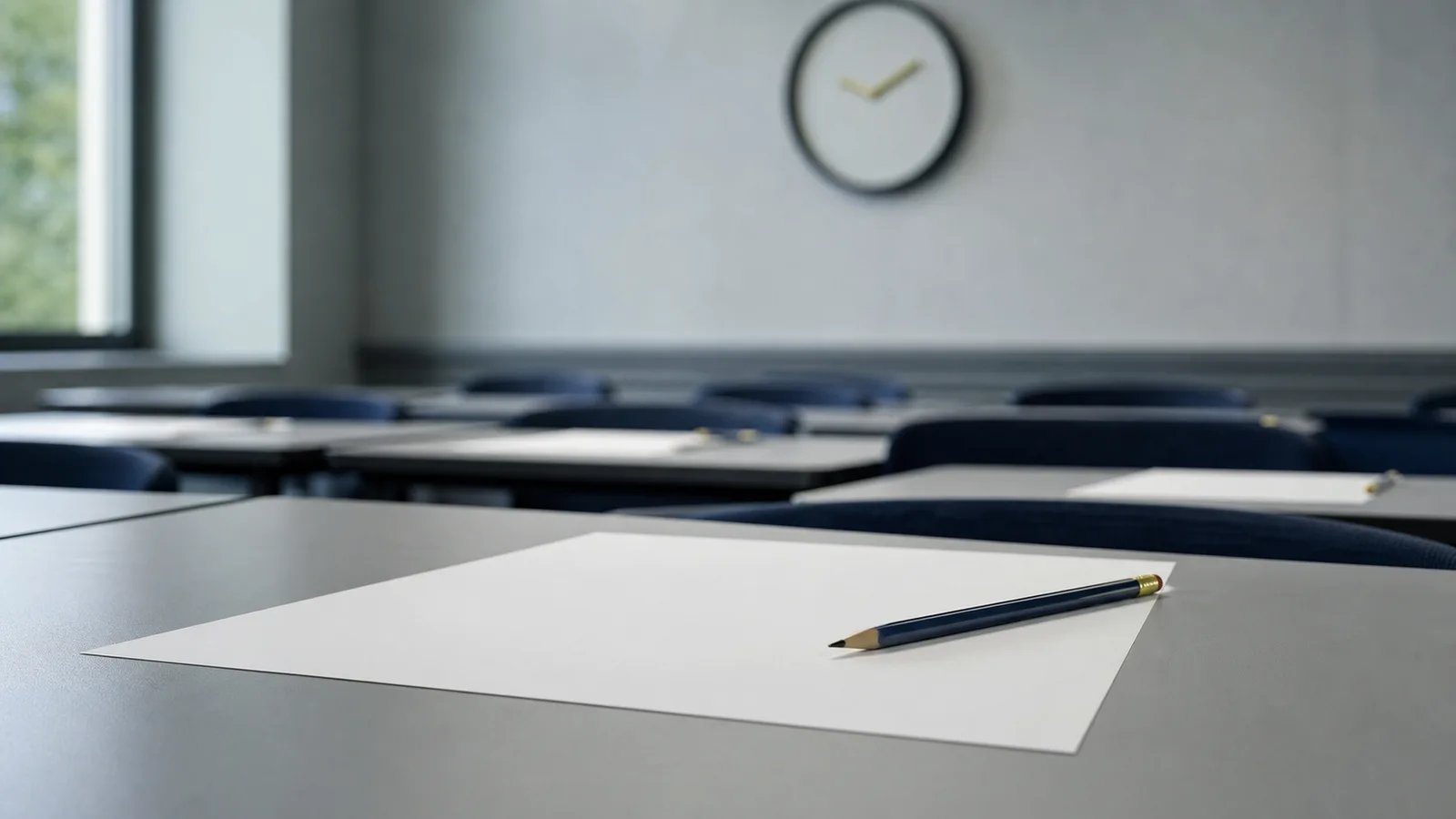
If the mock exam is too comfortable, the result may not reflect board-day readiness. Set a timer, remove distractions, and answer continuously.
This helps reveal pacing issues, careless errors, and topics that collapse when time pressure starts.
- Use timed mode whenever possible.
- Do not check notes while answering.
- Record the subject and score after each attempt.
Separate knowledge gaps from test-taking errors
After the mock exam, label each wrong answer. Was it because you did not know the concept, misread the question, confused two terms, or rushed?
Different errors need different fixes. A knowledge gap needs review. A misread question needs pacing and discipline. A confused pair needs comparison notes.
- Knowledge gap: restudy and recall.
- Confusing terms: make a side-by-side comparison.
- Careless error: slow down on qualifiers like except, not, and best.
Use your weakest subject to set the next week
The most useful mock-board result is not the total score. It is the subject breakdown. If Criminalistics is consistently low, your next week should reflect that.
Keep one or two strong subjects in maintenance mode, then put deliberate recall and rationale work into the weakest subject.
- Pick the lowest subject as the weekly priority.
- Review missed rationales before taking another full mock.
- Retest after focused review to confirm improvement.